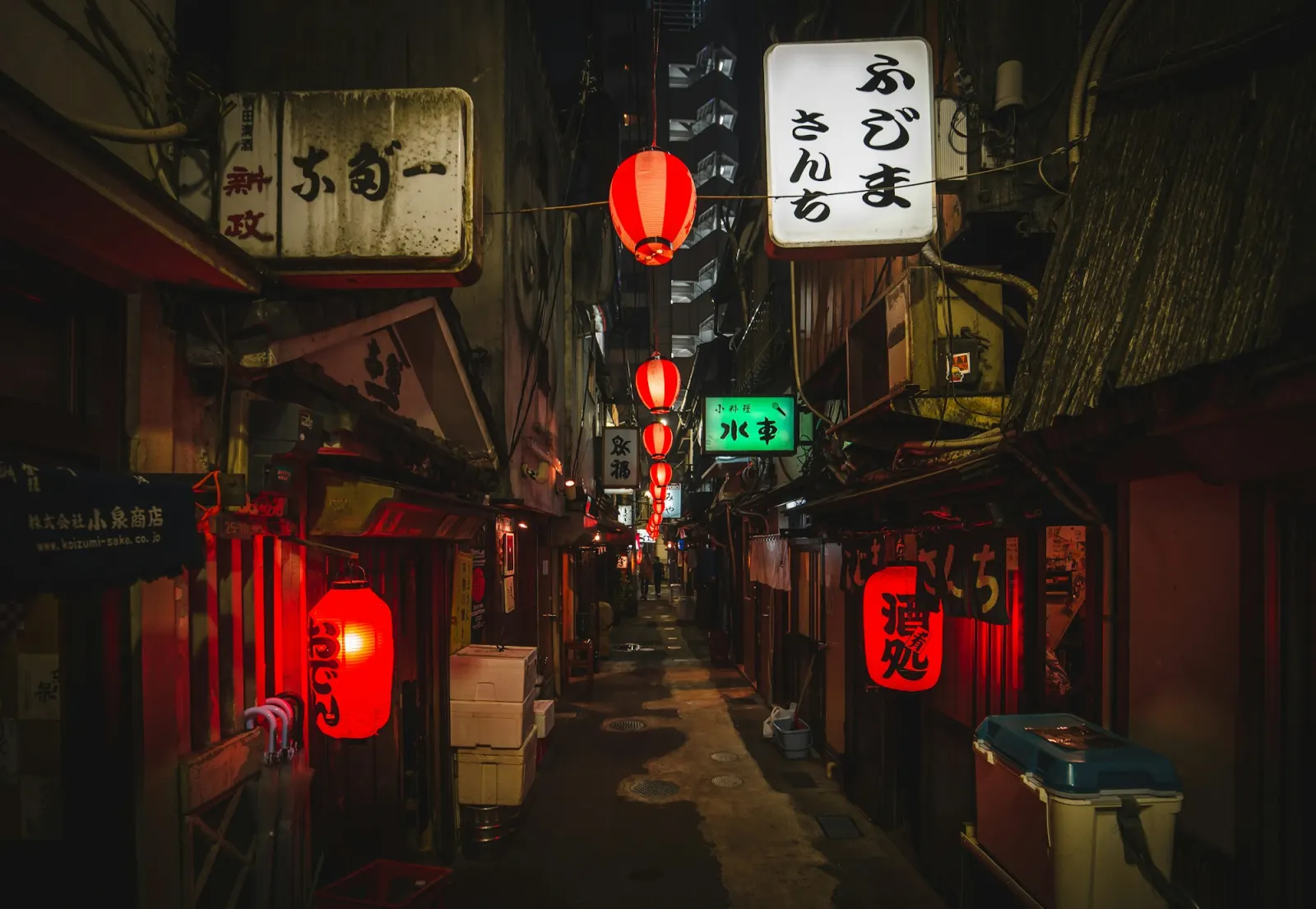
 Photo: Denys Nevozhai · Unsplash
 Tokyo in four days, planned so each day actually works
Not a list of forty things to see. Four days that fit the city's hours, its trains and your legs, with the gaps where the good stuff happens left in.
Tokyo rewards people who plan less, not more. The city is enormous, the trains are precise, and most of what you came for is open for a shorter window than you expect. The trick is one neighbourhood a day, started early, with lunch where you already are.
When to go
Late March to early April is blossom season, and the crowds that come with it. October and November are the quieter twin: clear skies, warm afternoons, maples turning instead of cherries. If you can only pick one, pick autumn. You will spend more time outside and less time in a queue.
Summer is hot and wet in a way that changes what a day can hold. Plan indoor afternoons in July and August, or go somewhere else.
Tell me your dates and I’ll check what’s at peak that week and shuffle the days so you aren’t at Shinjuku Gyoen on a Monday, when it’s closed. If a national holiday falls on the Monday it opens that day and closes Tuesday instead, which has caught out better planners than me.
Where to base yourself
Stay on the Yamanote loop or one stop off it. Shinjuku and Shibuya are loud and convenient, with trains in every direction until midnight. Nakameguro, Kuramae and Kagurazaka are calmer and still twenty minutes from everything.
Avoid anywhere that needs two changes to reach a loop station. It looks fine on a map and you will feel it on day three, when the walk from the platform to the hotel is the last thing you want.
A Suica card on your phone covers every train, bus and most convenience stores. Add it in Apple Wallet before you land and you never think about tickets again. The paper Welcome Suica for visitors works too, but it expires 28 days after first use and can’t be set up outside the Tokyo area.
A day that works
Here is a real day Lez drafted for an October trip, unchanged. Notice the shape: one anchor in the morning, lunch nearby, an easy afternoon, and dinner where the evening already is. No crossing the city twice.
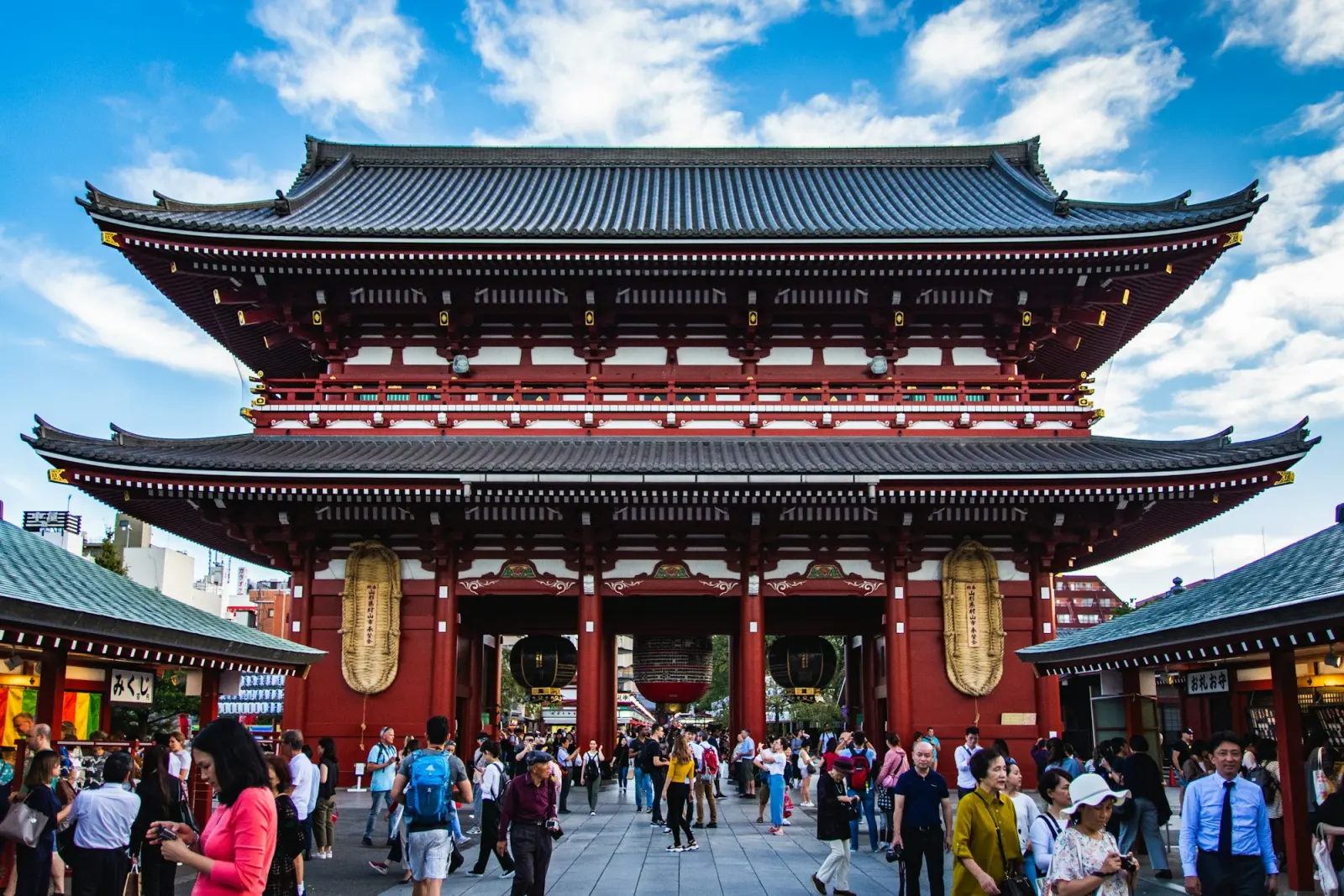
Senso-ji before the tour groups, a long lunch, and an afternoon that drifts east along the Sumida.
Tsukiji’s outer market is a morning place. Most stalls are packing up by 13:00, and a lot of them are closed on Sundays and some Wednesdays. Put it first on a weekday, not after lunch, and expect to eat standing up.
Getting around
Trains, always. A taxi across town at seven in the evening costs more than your dinner and arrives later than the Ginza line. Google Maps is accurate for Tokyo transit to the minute, including which carriage to board for the exit you want.
Last trains run around midnight on most lines. After that it is a taxi or a long walk, and both are fine, but it changes which neighbourhood you want to end the night in. Lez checks this when it places your evening, which is why the dinner above is in Asakusa and not across the city from the hotel.
What it costs
Tokyo is cheaper than its reputation if you eat where locals eat and sleep one stop off the loop. A comfortable four days for two people, mid-range hotel, trains, three meals a day with one nicer dinner, comes in at roughly ¥95,000 per person before flights. The big variable is the hotel: the same room runs twice the price in blossom week.
The mistakes people make
Three show up in almost every first-timer’s plan Lez sees. Booking a day trip to Hakone or Kamakura on day one, before you’ve found your feet. Putting Tsukiji after lunch. And planning Shinjuku Gyoen, the teamLab museum and a department-store food hall as one afternoon, which is three different parts of the city and a lot of stairs.
The fix is the same each time: one area, started early, and the gaps left in. The best hour of a Tokyo day is usually the one you didn’t plan.
Trips others shared
Questions people ask
Is four days enough for Tokyo?
For a first visit, yes. Four neighbourhood days cover the city’s range without the fatigue that sets in around day five. Add days for Hakone or Kamakura, not for more of Tokyo.
Do I need to book restaurants?
Only the famous ones, and those weeks ahead. Everywhere else, turn up at six and you’ll eat well. Lez marks which stops want a booking when it drafts your trip.
Is the JR Pass worth it for Tokyo only?
No. It pays off only with a return shinkansen to Kyoto or further. For Tokyo alone, a Suica card is all you need.
Where should I stay in Tokyo for a first visit?
On the Yamanote loop or one stop off it. Shinjuku and Shibuya if you want it lively, Nakameguro or Kuramae if you want to sleep.
Four days in Tokyo, drafted in about a minute.
Lez takes this guide, your dates and how you like to travel, and gives you back days that hold up on the ground.
“Plan me four days in Tokyo in October, food first, one neighbourhood a day”Ask Lez →