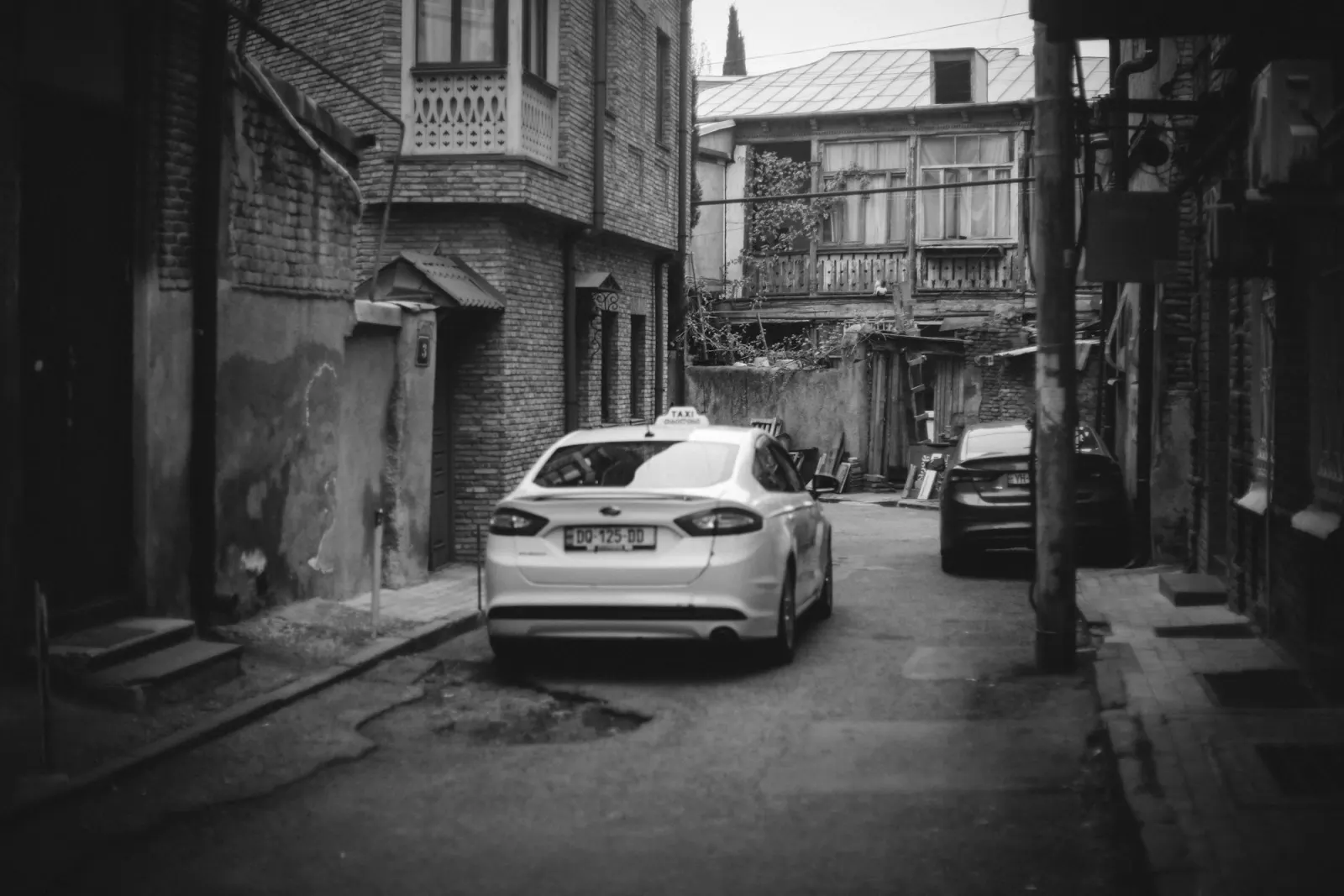
 Photo: Μαρίνα Βιλκού · Unsplash
 Tbilisi and Kakheti in five days, wine country by minibus
Three nights in the city and two among the vines, how the marshrutka from Samgori actually works, what a sulphur bath costs, and how to taste qvevri wine without a tour bus.
Georgia is the easiest hard-sounding trip in Europe. Most passports get a year without a visa, the bus from the airport costs one lari, and the wine region is two hours away on a minibus that leaves when it’s full. Give Tbilisi three nights and Kakheti two, go in May or in the harvest weeks of late September and October, and let the old town’s sulphur baths fix whatever the flight did to you.
Three nights in Tbilisi, two in the vines
Tbilisi rewards a slow first day. The old town is a tangle of balconied houses on a hill above the river, with the sulphur bath domes at the bottom, Narikala fortress at the top and a cable car between them. Most of what you want is within a 2 km walk of Freedom Square, and the metro gets you to the rest for a lari.
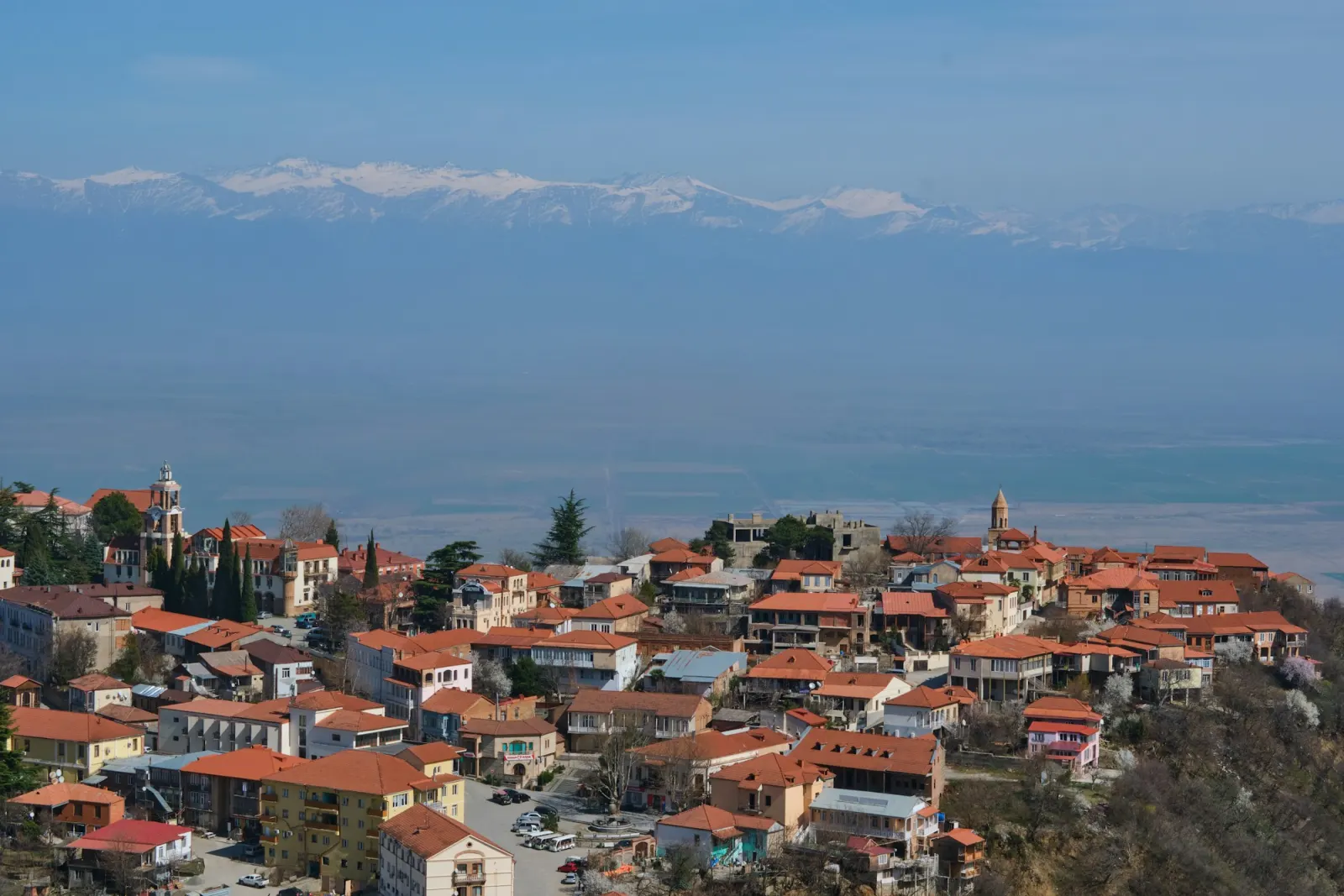
Then go east. Kakheti is Georgia’s wine region, an hour and a half to two hours away, and Sighnaghi, a walled hill town above the Alazani valley, is the easy base. Telavi, the working town in the valley, is the better base for wineries. Do one night in each, or two in Sighnaghi with a driver for the Telavi day.
Getting in and getting around
Bus 337 runs from outside arrivals to the centre, via Avlabari metro and Rustaveli, for 1 lari paid with a bank card on the reader or a Metromoney card. It runs roughly 07:00 to 23:00. Outside those hours a Bolt from the airport is about 30 to 40 lari and the only option worth having.
Buy a Metromoney card at any metro station cash desk for 2 lari and top it up. A ride on the metro or a city bus is 1 lari, and one tap covers 90 minutes of changes. The metro runs from 06:00 to midnight. The orange Bank of Georgia desks are not where you buy the card; the plain cash window is.
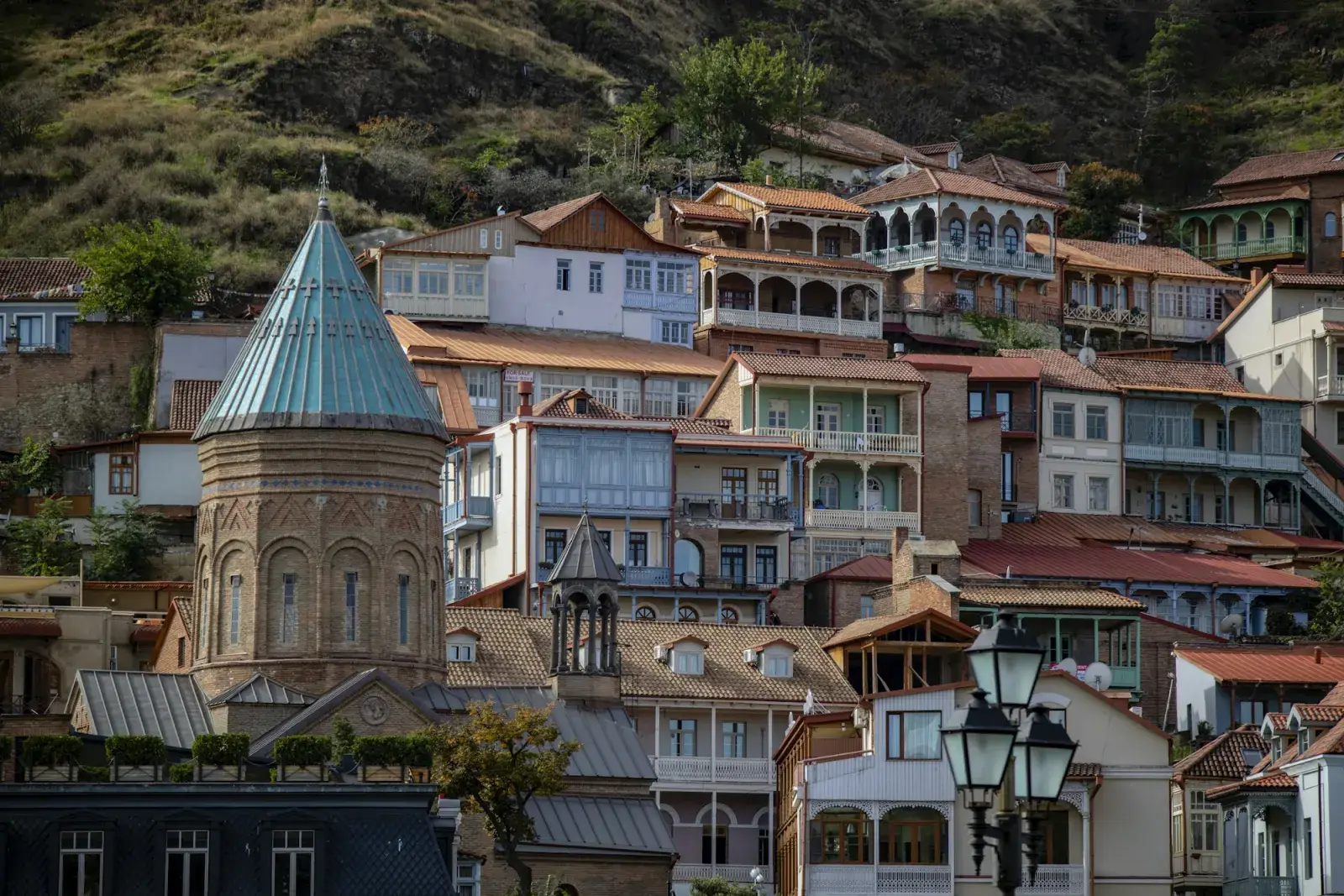
Bolt is the taxi app and it’s cheap, with most city rides under 10 lari. Street taxis without a meter will quote you three times that and are best declined with a smile.
Tbilisi on foot
Start at Freedom Square and walk down into the old town, through the Meidan and over to Abanotubani, where the brick domes in the ground are the baths. Take the cable car from Rike Park up to Narikala for the view, then walk down through the Betlemi streets to the Botanical Garden gate. That’s a morning.
The afternoon is the other side of Rustaveli Avenue. The funicular from Chonkadze street goes up to Mtatsminda Park, about 10 to 12 lari each way plus a 2 lari park card, and the restaurant at the top does khinkali with the whole city below. The Dry Bridge flea market, on the river below the Zurab Tsereteli building, runs daily and is best on a weekend morning for Soviet cameras, enamel pins and silver.
The Dezerter Bazaar by the main railway station is where Tbilisi shops for food. Go in the morning for churchkhela, the walnut and grape-juice candles, for spice sellers who’ll let you smell everything, and for the cheese counters where sulguni is sold by the wheel. It’s a 10-minute walk from Station Square metro and nobody will try to sell you a tour.
Fabrika, a Soviet sewing factory turned hostel and courtyard on the left bank, is where the city drinks in the evening. The Chugureti and Marjanishvili streets around it have the newer restaurants and the wine bars pouring small producers by the glass.
The baths
Abanotubani’s bathhouses sit on a hot sulphur spring the city was built around. You can take a public hall, men and women separate, for a few lari an hour, or a private room with its own pool for a group. The modest houses charge about 30 to 80 lari an hour for a private room. Chreli-Abano, the blue-tiled one that’s in every photograph, starts around 100 to 200 lari an hour and needs a booking.
Add a kisi scrub, 10 to 30 lari, where an attendant takes a layer of skin off with a mitt and you leave lighter. Bring your own towel and flip-flops or hire them, and don’t go straight after a big lunch. An hour is plenty.
If you tell me your dates I’ll give you a bath on the evening you land and keep the next morning slow. For Kakheti I’ll put you on a mid-morning minibus from Samgori so you’re in Sighnaghi for lunch, and I’ll keep the winery visits in the valley to two a day. Three is where people stop tasting.
Getting to Kakheti without a tour
The marshrutkas, the shared minibuses, leave from the Samgori bus station at Navtlugi market, by Samgori metro on the red line. Sighnaghi and Telavi vans go through the day from about 08:00, nominally on a timetable and in practice when the seats are full. Expect 10 lari to Sighnaghi and a bit less to Telavi, cash to the driver, about two hours each. Get there 30 minutes early for a seat you’d choose.
The last van back from Sighnaghi leaves around 18:00. If you miss it, a taxi from the town square to Tbilisi is 100 to 150 lari, which for three people is not a disaster. Taxis take the Gombori Pass, which is the prettier road.
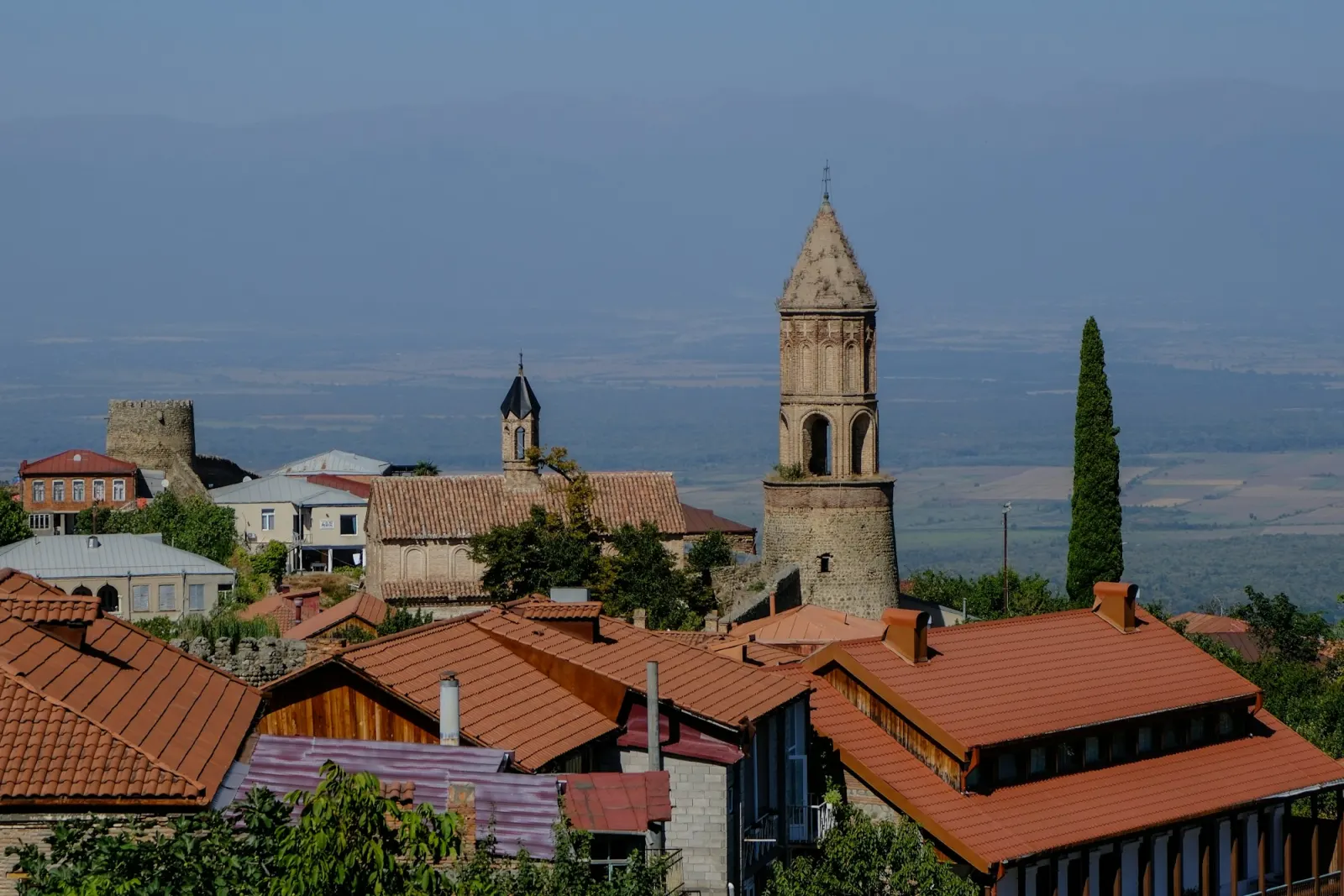
A driver for a day costs about 150 to 200 lari and is the right call for the Telavi side, where the wineries are spread along the valley. Guesthouses in Sighnaghi all have a cousin with a car. Ask the night before.
Sighnaghi first, then the valley
Sighnaghi is small, walled and restored, and a full afternoon covers it: the walk along the walls, the Pirosmani museum, a glass of saperavi on a terrace facing the valley. Bodbe Monastery, 2 km out of town, holds the tomb of St Nino, who brought Christianity to Georgia, and the gardens look across the whole valley. Walk there and taxi back.
The next day is the valley. Tsinandali, near Telavi, is the 19th-century estate of the poet-prince Chavchavadze, with the first European-style winery in Georgia, a garden and a cellar tasting. Alaverdi, the 11th-century cathedral north of Telavi, has monks making wine in qvevri the way they did before the cathedral was built. Between them, the family wineries along the road from Telavi to Kvareli will pour you an amber rkatsiteli and a saperavi for a few lari each and tell you about their grandfather.
Driver from Sighnaghi, the big sights before lunch, the small producers after, and a supra you didn't plan for.
What qvevri wine is, and how to taste it
Georgians have been making wine for about 8,000 years, and the method is still the one UNESCO listed: the grapes go into a clay qvevri buried to its neck in the cellar floor, skins and all, and ferment there for months. White grapes made this way come out amber, tannic and savoury. The red, saperavi, is dark enough to stain the glass.
Tastings at family wineries are informal. You’ll be sat at a table, poured four or five wines, given bread and cheese, and charged 20 to 40 lari a head, often with lunch folded in. If the harvest is on, from the third week of September into October, you may be handed a bucket. Say yes. Rtveli, the harvest, ends in a supra, the long toasting dinner, and it’s the reason to come in autumn.
What you’ll eat
Khinkali, the pleated soup dumplings, are picked up by the knot, bitten at the side and drunk before they’re eaten. Leave the knots on the plate; it’s how the table counts. Khachapuri comes in regional shapes, and the Adjarian boat with the egg is the one for breakfast. Pkhali, walnut and vegetable pastes, and a plate of fresh herbs come with everything.
A proper dinner for two with a bottle of wine in Tbilisi is 60 to 100 lari. In Kakheti it’s less, and there’s more of it.
The mistakes people make
The first is a day tour to Kakheti from Tbilisi. It’s four hours on a bus for two wineries and a hurried Sighnaghi. Stay out there.
The second is the Telavi wineries without a driver. They’re 10 km apart along a valley with no buses between them, and tasting then driving is a bad idea in a country with a near-zero blood alcohol limit.
The third is leaving the baths until the last night. Do them early and you’ll go back.
Trips others shared
Questions people ask
Do I need a visa for Georgia?
Most visitors don’t. Citizens of Australia, the US, the UK, the EU and about 90 other countries can stay up to a year without one. Check the Georgian foreign ministry’s list for your passport before you fly.
How do I get from Tbilisi to Kakheti without a tour?
Take a marshrutka from Samgori bus station, by Samgori metro, to Sighnaghi or Telavi. They cost about 10 lari, take about two hours and leave through the day when full. The last one back from Sighnaghi is around 18:00.
When is the best time to visit Kakheti?
Late September to mid-October for the harvest, when you can pick and press and the wineries hold supras. May and June for green vines and cooler days. July and August are hot in the valley.
How much is a sulphur bath in Tbilisi?
A few lari for a public hall, about 30 to 80 lari an hour for a private room at the modest bathhouses, and from about 100 to 200 lari an hour at Chreli-Abano. A scrub is 10 to 30 lari extra.
Five days in Tbilisi and Kakheti, drafted in about a minute.
Lez takes this guide, your dates and how you like to travel, and gets you to the wine without a bus tour.
“Plan me 5 days in Georgia, 3 nights in Tbilisi and 2 in Kakheti by marshrutka, wine and baths”Ask Lez →